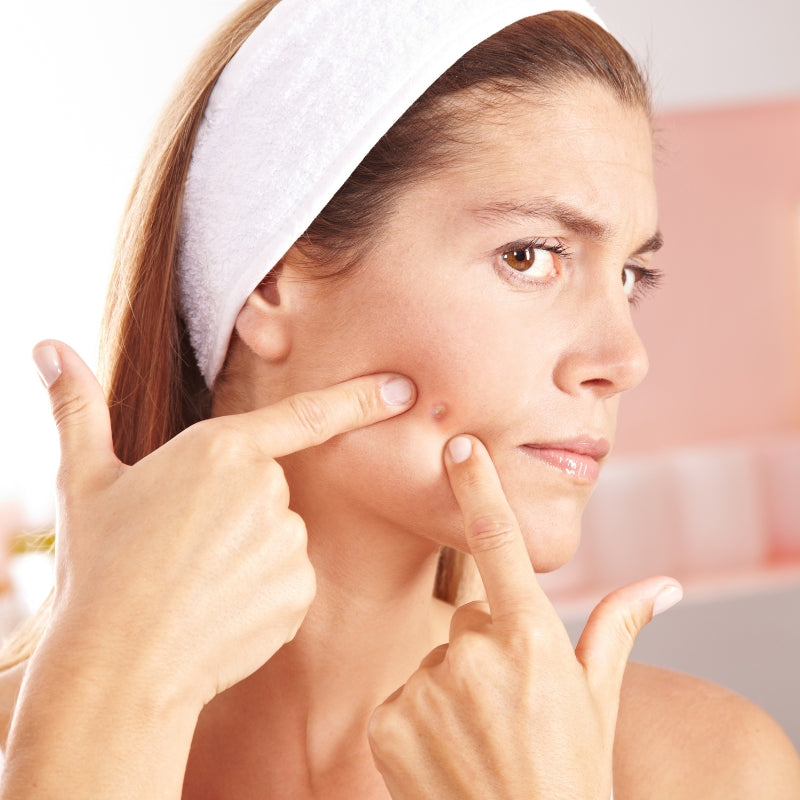
Spots, blemishes, acne — whatever you call them, these pesky skin imperfections can be a source of frustration. Whether you're a teenager experiencing puberty or an adult still battling breakouts, understanding why spots occur can help demystify this common skincare concern.
1. The Role of Sebaceous Glands: Spots often originate from the sebaceous glands, which produce an oily substance called sebum. When the sebaceous glands produce too much sebum, it can mix with dead skin cells and clog pores, leading to spots.
2. Hormonal Influence: Hormonal fluctuations play a significant role in the development of spots. During puberty, menstruation, pregnancy or menopause, hormonal changes can trigger flare-ups.
3. Bacterial Overgrowth: The presence of Cutibacterium acnes (C. acne) bacteria thrives in the oily environment created by excess sebum and can proliferate within clogged pores, leading to inflammation and pimples.
4. Gut Microbiome: Research increasingly links gut health to skin health. A disrupted gut microbiome can increase systemic inflammation, which manifests in the skin as acne, redness and congestion. Supporting your gut with Lactoferrin+ directly addresses sebum production and acne lesion count at a systemic level.
Treatment and Prevention
Cleansing regularly with a gentle cleanser helps remove excess oil, dirt and dead skin cells, reducing the risk of pore blockage. Exfoliating weekly with an enzyme or physical exfoliant promotes cell renewal and clears congestion. And addressing the gut-skin axis from within provides a complementary layer of support that topical products alone cannot replicate.
Our Violet Water range was developed to address six key concerns for blemish-prone skin: microbiome balance, excess sebum production, blemishes, inflammation, scarring and hyperpigmentation.
Shop OSKIA for Blemish-Prone Skin