
OSKIA Spa of the Month - The Spa at The Landmark London
We're delighted to celebrate a new partnership with The Spa at The...
Read more
Free shipping
on orders £25+

Free Samples
with every order

Subscribe & Save 15%

Inspired by one of nature's most remarkable discoveries, Swiss Apple Stem Cells are celebrated for their ability to support skin longevity.
Sourced from a rare Swiss apple known for its exceptional ability to stay fresh for months after harvest, this innovative active helps protect the skin's own stem cells, encouraging a smoother, firmer and more youthful-looking complexion. It's a smart way to help future-proof your skin against the visible signs of ageing.
Read more

Growth Factors
Astaxanthin

Gotu Kola
Milk Peptides

Colloidal Oats
Niacinamide
MSM
Ascorbyl Tetraisopalmitate
Hyaluronic Acid
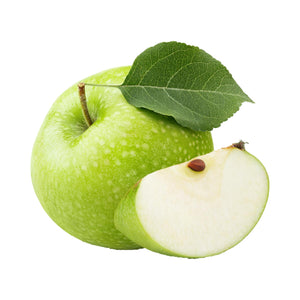
Apple Stem Cells
Essential Fatty Acids

Hydroxypinacolone Retinoate (HPR)
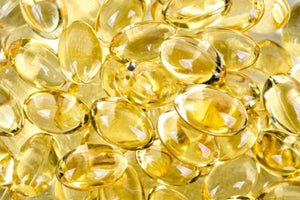
Vitamin E

Pumpkin Enzymes
Lactoferrin

Immortelle Bleue
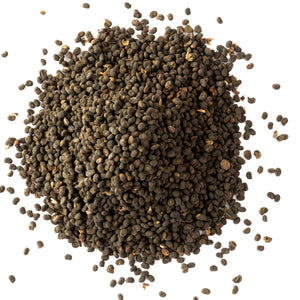
Bakuchiol
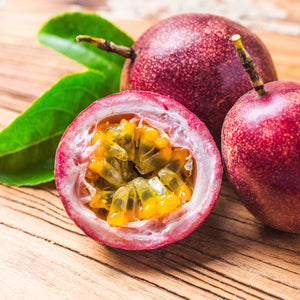
AHAs

Niacin
Galactoarabinan
Selenium
Zinc Glycine

Riboxyl

Swiss Cress Liposomes
Snow Algae

Prebiotics

A weightless, adaptive tint that melts seamlessly into the skin, delivering a soft, sun-kissed warmth that looks entirely your own. No heaviness. No mask. Just healthy, lit-from-within radiance.
With Bakuchiol, Milk Peptides, Pro-Vitamin B5, Swiss Apple Stem Cells, Vitamin E, MSM & Hyaluronic Acid.
Apply and blend for a sheer, sun-kissed glow across face and body (A little goes a long way).
Wear alone, over serums, moisturisers or makeup. As with all makeup, wash off before bed.

Midnight Eye-Q

Isotonic Hydra-Serum

Citylife Cleansing Concentrate

Rest Day Comfort Cream

Midnight Elixir

Renaissance Brighlight

H2Glow
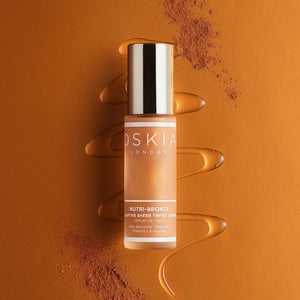
Nutri-Bronze
Eye Wonder

Bedtime Beauty Boost

Nutri-Active Day Cream

Deeper Sleep Body Oil

Floral Water

Renaissance Cleansing Gel

Renaissance 360
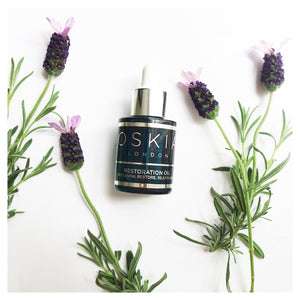
Restoration Oil
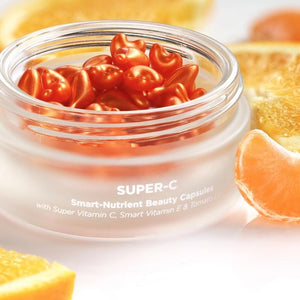
Super-C


Layer Your Skincare
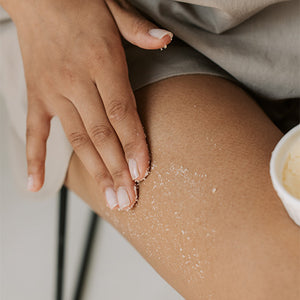
Exfoliate
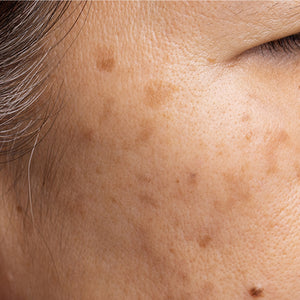
Beat Hyper-pigmentation
Skin Cycle

Spring Clean your Skincare Routine

Be a Vitamin C Expert

Build a night skincare routine
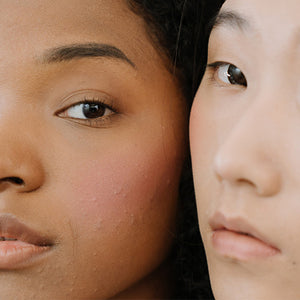
Combat Dulness

Choose a Facial Oil
Avoid Skin Spots
Self-Tan

Sleep Supporting Smoothie

Winter skincare

Deal with Stressed Skin

Night-Time Routine
Care for Teenage Skin

Summer Skincare
Choose a moisturiser
Rosacea
Eye Massage

Choose a Cleanser

We're delighted to celebrate a new partnership with The Spa at The...
Read more
This month we're celebrating Dylan Coastal Resort in Carmarthenshire, South Wales
Read more
This month, we’re delighted to celebrate our longstanding partners, the beautiful Alexander...
Read more
The Imperial Hotel was founded in Tokyo in 1890, serving as Japan’s...
Read more
We're delighted to celebrate a new partnership with The Spa at The Landmark London.
We're delighted to celebrate a new partnership with The Spa at The Landmark London.

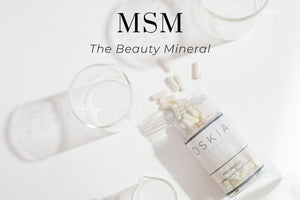
Collagen loss, inflammaging, and declining sulphur availability drive visible skin ageing. MSM addresses all three — supporting collagen synthesis, inhibiting NF-κB, and delivering the body’s most bioavailable sulphur.
Collagen loss, inflammaging, and declining sulphur availability drive visible skin ageing. MSM addresses all three — supporting collagen synthesis, inhibiting NF-κB, and delivering the body’s most bioavailable sulphur.

Rosacea is driven by chronic inflammation and vascular reactivity. MSM addresses both mechanisms from within. This is the ingredient that founded OSKIA — and the personal story behind it.
Rosacea is driven by chronic inflammation and vascular reactivity. MSM addresses both mechanisms from within. This is the ingredient that founded OSKIA — and the personal story behind it.

Persistent acne is an inflammatory condition. MSM works at the cellular level — inhibiting NF-κB, binding iron to deprive acne bacteria, and reducing the inflammation that topicals cannot reach.
Persistent acne is an inflammatory condition. MSM works at the cellular level — inhibiting NF-κB, binding iron to deprive acne bacteria, and reducing the inflammation that topicals cannot reach.

If you train regularly, your joints are under cumulative load. MSM supports cartilage structure, reduces post-exercise inflammation, and counters oxidative stress. Here is the clinical evidence.
If you train regularly, your joints are under cumulative load. MSM supports cartilage structure, reduces post-exercise inflammation, and counters oxidative stress. Here is the clinical evidence.

The clinical evidence for MSM in osteoarthritis is consistent across three independent trials. Here is what the science actually shows, and how MSM works at the cellular level.
The clinical evidence for MSM in osteoarthritis is consistent across three independent trials. Here is what the science actually shows, and how MSM works at the cellular level.

Heat doesn't dry skin out the way cold does. It does worse. Here's the science of what hot weather does to your skin, the four actives that actually matter, and...
Heat doesn't dry skin out the way cold does. It does worse. Here's the science of what hot weather does to your skin, the four actives that actually matter, and...
This month we're celebrating Dylan Coastal Resort in Carmarthenshire, South Wales
This month we're celebrating Dylan Coastal Resort in Carmarthenshire, South Wales

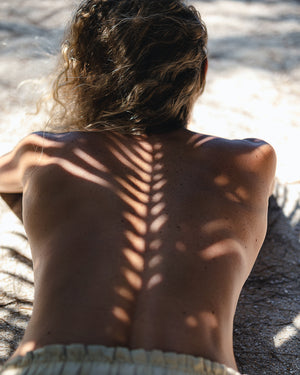
How fake tan actually works - why some self-tans look orange...
How fake tan actually works - why some self-tans look orange...

When we started developing our self-tan products, the brief was simple: make a self-tan we would actually want to use ourselves.That meant building it the same way we build everything...
When we started developing our self-tan products, the brief was simple: make a self-tan we would actually want to use ourselves.That meant building it the same way we build everything...

Walk into any pharmacy and you will find rose water. It is one of the oldest skincare ingredients in the world, used for centuries across the Middle East, Persia and...
Walk into any pharmacy and you will find rose water. It is one of the oldest skincare ingredients in the world, used for centuries across the Middle East, Persia and...

Every ingredient in our products has a reason for being there. But the story of our roses is one we do not tell often enough, and it is one that...
Every ingredient in our products has a reason for being there. But the story of our roses is one we do not tell often enough, and it is one that...

Blemish-prone skin involves at least five overlapping processes: bacterial overgrowth, excess sebum, pore congestion, inflammation, and post-breakout pigmentation. The best ingredients for acne are not one ingredient - they are...
Blemish-prone skin involves at least five overlapping processes: bacterial overgrowth, excess sebum, pore congestion, inflammation, and post-breakout pigmentation. The best ingredients for acne are not one ingredient - they are...

Most eye makeup removers do one thing: dissolve makeup and rinse it away. OSKIA's Vitamin Eye Makeup Remover was formulated to change that — and the ingredient responsible is one...
Most eye makeup removers do one thing: dissolve makeup and rinse it away. OSKIA's Vitamin Eye Makeup Remover was formulated to change that — and the ingredient responsible is one...

You will find both lactic acid and niacinamide on the ingredient lists of many well-formulated products, but rarely explained together. This piece covers what each one does, why they work...
You will find both lactic acid and niacinamide on the ingredient lists of many well-formulated products, but rarely explained together. This piece covers what each one does, why they work...

If you have ever picked up a product labelled with lactic acid, salicylic acid or gluconolactone and wondered what it is actually doing to your skin, this is for you....
If you have ever picked up a product labelled with lactic acid, salicylic acid or gluconolactone and wondered what it is actually doing to your skin, this is for you....

Lactic acid appears on more product labels than almost any other exfoliating active. It is widely used and frequently misunderstood — described as "the gentle one" without any real explanation...
Lactic acid appears on more product labels than almost any other exfoliating active. It is widely used and frequently misunderstood — described as "the gentle one" without any real explanation...

Most exfoliating acids are designed to be rinsed off quickly. Leaving an acid on overnight sounds counterintuitive, particularly for sensitive skin. But for lactic acid specifically, an overnight leave-on format...
Most exfoliating acids are designed to be rinsed off quickly. Leaving an acid on overnight sounds counterintuitive, particularly for sensitive skin. But for lactic acid specifically, an overnight leave-on format...

If you have tried everything for persistent acne, redness or dull, inflamed skin and found topical products only take you so far, it is worth looking inward. A growing body...
If you have tried everything for persistent acne, redness or dull, inflamed skin and found topical products only take you so far, it is worth looking inward. A growing body...

EGF has been appearing on ingredient lists with increasing frequency — and with it comes a question worth answering properly: what exactly does it do, and how does it compare...
EGF has been appearing on ingredient lists with increasing frequency — and with it comes a question worth answering properly: what exactly does it do, and how does it compare...

SPF blocks UV rays. What is less well known is that UV radiation, visible light, and infrared all generate free radicals in skin that SPF filters cannot touch. If your...
SPF blocks UV rays. What is less well known is that UV radiation, visible light, and infrared all generate free radicals in skin that SPF filters cannot touch. If your...

Most anti-pollution skincare relies on antioxidants to mop up free radicals after they have already formed. Malachite extract works differently — targeting one of the primary triggers of free radical...
Most anti-pollution skincare relies on antioxidants to mop up free radicals after they have already formed. Malachite extract works differently — targeting one of the primary triggers of free radical...

Most acne treatments work from the outside in. The question of whether targeted nutritional supplementation can meaningfully affect acne is a serious one — and the clinical evidence around lactoferrin...
Most acne treatments work from the outside in. The question of whether targeted nutritional supplementation can meaningfully affect acne is a serious one — and the clinical evidence around lactoferrin...

Vitamin C is one of the most researched actives in skincare, yet it divides opinion like few other ingredients. Does the form you're using actually matter? The answer has real...
Vitamin C is one of the most researched actives in skincare, yet it divides opinion like few other ingredients. Does the form you're using actually matter? The answer has real...

Enzyme cleansers occupy a genuinely useful middle ground between physical scrubs and acid exfoliants. They resurface skin through biochemical action rather than friction or pH disruption — making them one...
Enzyme cleansers occupy a genuinely useful middle ground between physical scrubs and acid exfoliants. They resurface skin through biochemical action rather than friction or pH disruption — making them one...

Functional mushrooms have become a familiar fixture in the supplement aisle, but their move into topical skincare is something altogether different. Shiitake and turkey tail contain specific bioactive compounds that...
Functional mushrooms have become a familiar fixture in the supplement aisle, but their move into topical skincare is something altogether different. Shiitake and turkey tail contain specific bioactive compounds that...

MSM stands for methylsulfonylmethane - the most bioavailable form of sulphur and OSKIA's founding ingredient. Here is what it does for skin, and the story behind why the brand was...
MSM stands for methylsulfonylmethane - the most bioavailable form of sulphur and OSKIA's founding ingredient. Here is what it does for skin, and the story behind why the brand was...

Urban air is invisible, but its effects on skin are anything but. If you live or work in a city, pollution is ageing your skin every day through mechanisms most...
Urban air is invisible, but its effects on skin are anything but. If you live or work in a city, pollution is ageing your skin every day through mechanisms most...

Most body oils stop at moisturising. This one doesn't. The science of melatonin, CBD and the skin's nocturnal repair cycle — and why applying the right oil before bed is...
Most body oils stop at moisturising. This one doesn't. The science of melatonin, CBD and the skin's nocturnal repair cycle — and why applying the right oil before bed is...

While you sleep, your skin is doing some of its most important work. Understanding your nocturnal biology — and how to support it — changes how you think about everything...
While you sleep, your skin is doing some of its most important work. Understanding your nocturnal biology — and how to support it — changes how you think about everything...

How to maintain a healthy, post-summer glow, common symptoms of sun overexposure and the best way to protect yourself so that you can enjoy the summer weeks to the fullest. Read more below!
How to maintain a healthy, post-summer glow, common symptoms of sun overexposure and the best way to protect yourself so that you can enjoy the summer weeks to the fullest. Read more below!

MY PERSONAL HISTORY WITH MSM OSKIA's Founder, Georgie Cleeve, was inspired to produce the first nutritional skincare range based around MSM due to her remarkable and very personal journey with...
MY PERSONAL HISTORY WITH MSM OSKIA's Founder, Georgie Cleeve, was inspired to produce the first nutritional skincare range based around MSM due to her remarkable and very personal journey with...

Retinoids are one of the most researched categories in skincare, but they have a well-earned reputation for causing irritation, redness and peeling, particularly in the early weeks of use. Hydroxypinacolone...
Retinoids are one of the most researched categories in skincare, but they have a well-earned reputation for causing irritation, redness and peeling, particularly in the early weeks of use. Hydroxypinacolone...
This month, we’re delighted to celebrate our longstanding partners, the beautiful Alexander House and Rowhill Grange
This month, we’re delighted to celebrate our longstanding partners, the beautiful Alexander House and Rowhill Grange

Try our Night Orbital Eye Massage.
Try our Night Orbital Eye Massage.

In the ever-evolving world of skincare, advanced peptide technologies are redefining how we approach visible signs of ageing. One standout ingredient is Snap-8™ Peptide, a next-generation neuropeptide designed to target...
In the ever-evolving world of skincare, advanced peptide technologies are redefining how we approach visible signs of ageing. One standout ingredient is Snap-8™ Peptide, a next-generation neuropeptide designed to target...
The Imperial Hotel was founded in Tokyo in 1890, serving as Japan’s state guesthouse and welcoming distinguished visitors from around the world.
The Imperial Hotel was founded in Tokyo in 1890, serving as Japan’s state guesthouse and welcoming distinguished visitors from around the world.

While you sleep, your skin comes alive. Guided by its natural circadian rhythm, nighttime is when your skin stops defending and starts rebuilding. So what’s really happening while you rest?...
While you sleep, your skin comes alive. Guided by its natural circadian rhythm, nighttime is when your skin stops defending and starts rebuilding. So what’s really happening while you rest?...

When it comes to skincare, one of the most common questions is: Do I really need separate moisturisers for day and night?
When it comes to skincare, one of the most common questions is: Do I really need separate moisturisers for day and night?

This International Women’s Day, we are spotlighting the data, because when it comes to skincare science, representation should extend far beyond imagery and into the laboratory itself.
This International Women’s Day, we are spotlighting the data, because when it comes to skincare science, representation should extend far beyond imagery and into the laboratory itself.

OSKIA is proud to announce the launch of the OSKIA Dynamic Body Sculpting Treatment at the Spa at Blythswood Square, this March 2026.
OSKIA is proud to announce the launch of the OSKIA Dynamic Body Sculpting Treatment at the Spa at Blythswood Square, this March 2026.

HPR is a fourth-generation Vitamin A derivative (also known as Granactive Retinoid) designed to deliver powerful skin-renewing benefits while being gentler on the skin than traditional retinoids.
HPR is a fourth-generation Vitamin A derivative (also known as Granactive Retinoid) designed to deliver powerful skin-renewing benefits while being gentler on the skin than traditional retinoids.

Many people aren’t sure whether serum comes before moisturiser, if oil should be applied before cream, or where sunscreen fits into the routine.
Many people aren’t sure whether serum comes before moisturiser, if oil should be applied before cream, or where sunscreen fits into the routine.

Winter skincare isn’t about using more products, it’s about using the right ones and protecting your skin barrier.
Winter skincare isn’t about using more products, it’s about using the right ones and protecting your skin barrier.

This month, the Laslett Hotel unveils ‘Wellness at The Laslett’ featuring cult-adored OSKIA facials.
This month, the Laslett Hotel unveils ‘Wellness at The Laslett’ featuring cult-adored OSKIA facials.

Patina Hotels & Resorts is a global leader in transformative luxury.
Patina Hotels & Resorts is a global leader in transformative luxury.

OSKIA is delighted to announce the season’s opening at our valued spa partner at Portetta, Courchevel Moriond, this December.
OSKIA is delighted to announce the season’s opening at our valued spa partner at Portetta, Courchevel Moriond, this December.

Even the best routines can miss what your hair really needs. Here are four common mistakes that lead to dull, dry or heavy hair and how our latest product launch,...
Even the best routines can miss what your hair really needs. Here are four common mistakes that lead to dull, dry or heavy hair and how our latest product launch,...

Are you struggling to fall asleep or stay asleep through the night? You’re not alone!
Are you struggling to fall asleep or stay asleep through the night? You’re not alone!

OSKIA is delighted to announce its launch at the Spa at The Parkgate Hotel, Cardiff, in November 2025.
OSKIA is delighted to announce its launch at the Spa at The Parkgate Hotel, Cardiff, in November 2025.

OSKIA is delighted to announce its launch at the Mandarin Oriental Downtown Dubai, opening in October 2025.
OSKIA is delighted to announce its launch at the Mandarin Oriental Downtown Dubai, opening in October 2025.

Colloidal oatmeal has long been celebrated as one of nature’s most effective soothing ingredients for the skin.
Colloidal oatmeal has long been celebrated as one of nature’s most effective soothing ingredients for the skin.
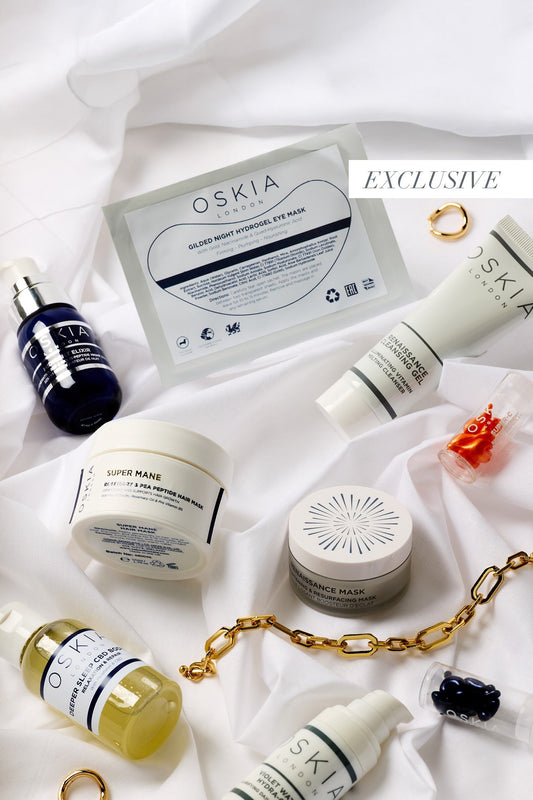
To mark 15 years of nutritional skincare, we’ve curated something truly special: The Past, Present & Future Edit.
To mark 15 years of nutritional skincare, we’ve curated something truly special: The Past, Present & Future Edit.
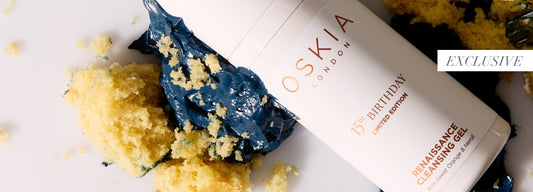
To celebrate our 15th year, we’ve given our original cult cleanser a refreshing new twist — infused with Sweet Orange & Neroli for a bright, uplifting sensorial experience.
To celebrate our 15th year, we’ve given our original cult cleanser a refreshing new twist — infused with Sweet Orange & Neroli for a bright, uplifting sensorial experience.

As we celebrate OSKIA’s 15th birthday, I’ve found myself looking back over the journey so far — and what a journey it has been.
As we celebrate OSKIA’s 15th birthday, I’ve found myself looking back over the journey so far — and what a journey it has been.

In the ever-evolving world of skincare, natural and bioactive ingredients continue to stand out for their ability to deliver effective results without harsh side effects. One such powerhouse is Lactobacillus/Cucurbita Pepo...
In the ever-evolving world of skincare, natural and bioactive ingredients continue to stand out for their ability to deliver effective results without harsh side effects. One such powerhouse is Lactobacillus/Cucurbita Pepo...

The Spa at Carden, set within the stunning 1,000-acre Carden Park estate in Cheshire, is one of the UK’s most luxurious and expansive destination spas.
The Spa at Carden, set within the stunning 1,000-acre Carden Park estate in Cheshire, is one of the UK’s most luxurious and expansive destination spas.
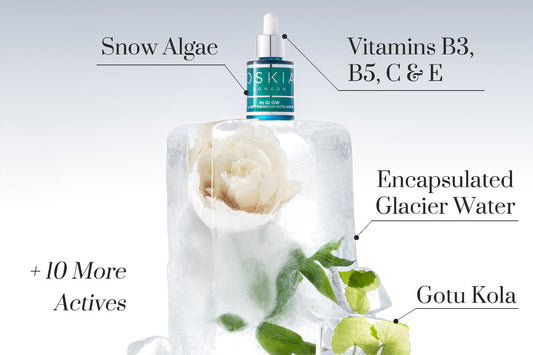
If you’ve been searching for a clarity-enhancing, feather-light serum that hydrates, brightens, firms, and leaves skin smooth and glass-like, H2Glow is a skincare standout.
If you’ve been searching for a clarity-enhancing, feather-light serum that hydrates, brightens, firms, and leaves skin smooth and glass-like, H2Glow is a skincare standout.

This month, we're shining a spotlight on The Spa at The NICI in Bournemouth, a luxurious haven that has redefined the staycation experience.
This month, we're shining a spotlight on The Spa at The NICI in Bournemouth, a luxurious haven that has redefined the staycation experience.
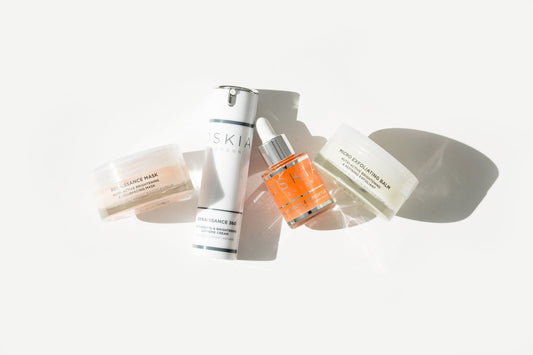
This guide breaks down the best skincare solutions based on your timeline, with product recommendations designed to deliver clinically-proven, visible results at every stage.
This guide breaks down the best skincare solutions based on your timeline, with product recommendations designed to deliver clinically-proven, visible results at every stage.

We’ve gathered your most common summer skincare questions and our experts are here to answer them all.
We’ve gathered your most common summer skincare questions and our experts are here to answer them all.
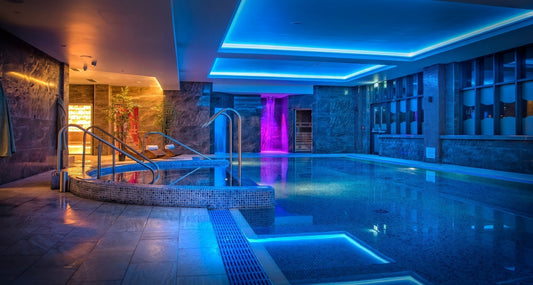
This month, we are delighted to spotlight The Quay Hotel and Spa who are currently celebrating the One Year Anniversary of their new Spa & Wellness facility.
This month, we are delighted to spotlight The Quay Hotel and Spa who are currently celebrating the One Year Anniversary of their new Spa & Wellness facility.
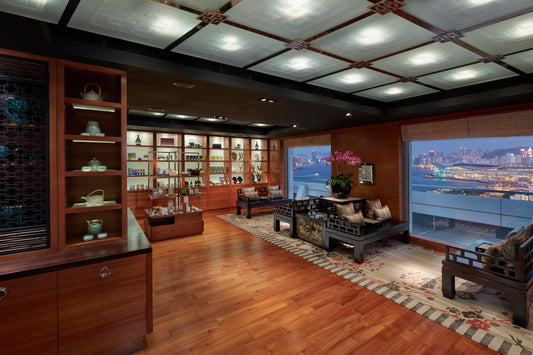
This month, we are delighted to feature the Mandarin Oriental Spa, Hong Kong as our cherished OSKIA partner.
This month, we are delighted to feature the Mandarin Oriental Spa, Hong Kong as our cherished OSKIA partner.
Summer is the time of year when we really need to up our skin protection game.
Summer is the time of year when we really need to up our skin protection game.

When temperatures soar, a warm bath might be the last thing on your mind - but hear us out.
When temperatures soar, a warm bath might be the last thing on your mind - but hear us out.

This month, we are delighted to announce a brand new OSKIA partnership at the Patina Osaka, Japan
This month, we are delighted to announce a brand new OSKIA partnership at the Patina Osaka, Japan

Sensitive skin isn’t something you have to simply live with. By understanding the signs and nurturing your microbiome you can restore balance, comfort and confidence to your complexion.
Sensitive skin isn’t something you have to simply live with. By understanding the signs and nurturing your microbiome you can restore balance, comfort and confidence to your complexion.
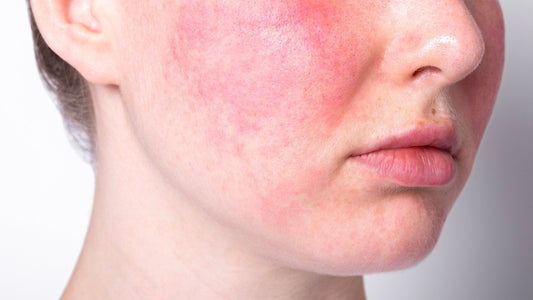
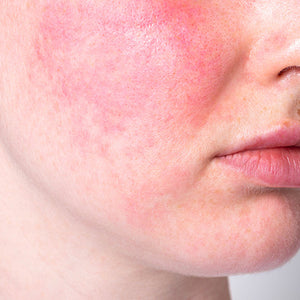
Rosacea is a common skin condition, it's hereditary and affects nearly 6% of the global population.
Rosacea is a common skin condition, it's hereditary and affects nearly 6% of the global population.

We are delighted to spotlight Cliveden House, a cherished OSKIA partner since 2017, as we celebrate their latest accomplishments.
We are delighted to spotlight Cliveden House, a cherished OSKIA partner since 2017, as we celebrate their latest accomplishments.
Explore our handpicked selection of Mother’s Day spa experiences and discover the perfect way to say thank you to the person who means the most to you.
Explore our handpicked selection of Mother’s Day spa experiences and discover the perfect way to say thank you to the person who means the most to you.
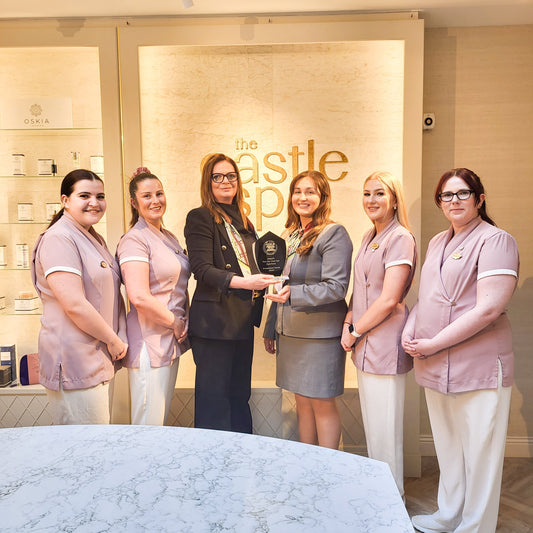
This month, we’re delighted to highlight The Castle Spa at Dromoland Castle and celebrate their latest achievements.
This month, we’re delighted to highlight The Castle Spa at Dromoland Castle and celebrate their latest achievements.

Let’s dive deep into why this ingredient is so unique, what it does for your skin, and how luxury products like Midnight Elixir are utilising it.
Let’s dive deep into why this ingredient is so unique, what it does for your skin, and how luxury products like Midnight Elixir are utilising it.

Warm, comforting, and packed with nutrients, this Curried Butternut Squash Noodle Soup is the ultimate nourishing bowl for both your skin and taste buds.
Warm, comforting, and packed with nutrients, this Curried Butternut Squash Noodle Soup is the ultimate nourishing bowl for both your skin and taste buds.

Self-care is about listening to your needs and taking time to nurture yourself. Small acts of kindness toward yourself can leave you feeling refreshed and recharged.
Self-care is about listening to your needs and taking time to nurture yourself. Small acts of kindness toward yourself can leave you feeling refreshed and recharged.

Celebrate 4 years of partnership with Mandarin Oriental Hyde Park, London
Celebrate 4 years of partnership with Mandarin Oriental Hyde Park, London

This month, we’re delighted to highlight Cowley Manor Experimental and celebrate their latest achievements.
This month, we’re delighted to highlight Cowley Manor Experimental and celebrate their latest achievements.

Menopause significantly impacts the skin due to the decline of the hormone oestrogen. On a biological level, oestrogen controls several physiological processes in the skin, including sebum, collagen, elastin and...
Menopause significantly impacts the skin due to the decline of the hormone oestrogen. On a biological level, oestrogen controls several physiological processes in the skin, including sebum, collagen, elastin and...

This month, we’re delighted to highlight The Spa at Carden and celebrate their latest achievements
This month, we’re delighted to highlight The Spa at Carden and celebrate their latest achievements

It’s no secret that a poor night’s sleep can leave you feeling groggy, but did you know it also wreaks havoc with your skin?
It’s no secret that a poor night’s sleep can leave you feeling groggy, but did you know it also wreaks havoc with your skin?

Your delicious, bedtime-friendly drink designed to help you unwind and prepare for a restful night’s sleep. Packed with natural ingredients that support relaxation and promote the production of sleep-inducing hormones.
Your delicious, bedtime-friendly drink designed to help you unwind and prepare for a restful night’s sleep. Packed with natural ingredients that support relaxation and promote the production of sleep-inducing hormones.

Designed to work in harmony with your skin’s natural repair process, this routine nourishes, hydrates and rejuvenates while you sleep.
Designed to work in harmony with your skin’s natural repair process, this routine nourishes, hydrates and rejuvenates while you sleep.
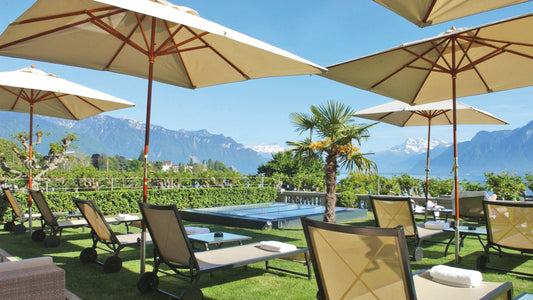
A member of The Leading Hotels of The World and located in the heart of the Alpine Riviera, Hôtel Trois Couronnes is a must visit.
A member of The Leading Hotels of The World and located in the heart of the Alpine Riviera, Hôtel Trois Couronnes is a must visit.

We’re delighted to feature Cliveden House as our Spa of the Month for August.
We’re delighted to feature Cliveden House as our Spa of the Month for August.
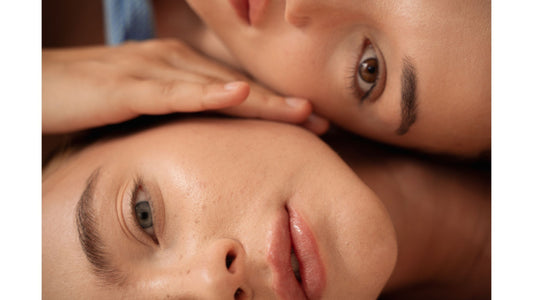
Retinol and its family of retinoids are revered as some of the most effective skincare ingredients available. These Vitamin A derivatives offer a multitude of benefits from anti-ageing to acne...
Retinol and its family of retinoids are revered as some of the most effective skincare ingredients available. These Vitamin A derivatives offer a multitude of benefits from anti-ageing to acne...

WHAT IS IT? As the winter nights close in, temperatures drop and biting winds pick up, it’s imperative to keep your skin hydrated, protected, and glowing. OSKIA products contain lots...
WHAT IS IT? As the winter nights close in, temperatures drop and biting winds pick up, it’s imperative to keep your skin hydrated, protected, and glowing. OSKIA products contain lots...
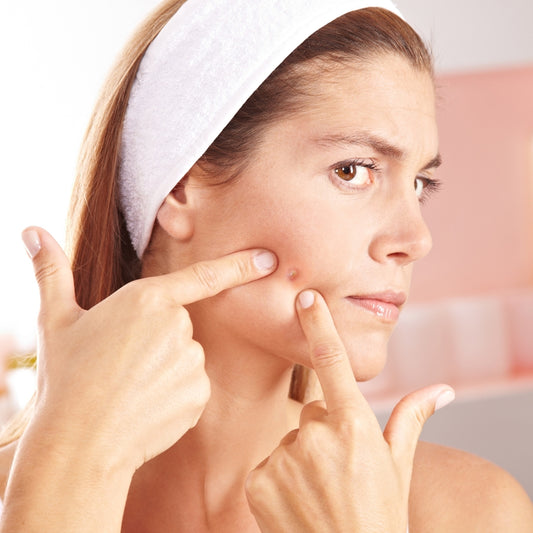
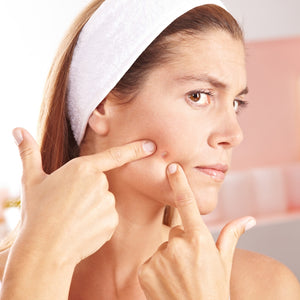
Spots, blemishes, acne — whatever you call them, these pesky skin imperfections can be a source of frustration. Whether you're a teenager experiencing puberty or an adult still battling breakouts,...
Spots, blemishes, acne — whatever you call them, these pesky skin imperfections can be a source of frustration. Whether you're a teenager experiencing puberty or an adult still battling breakouts,...
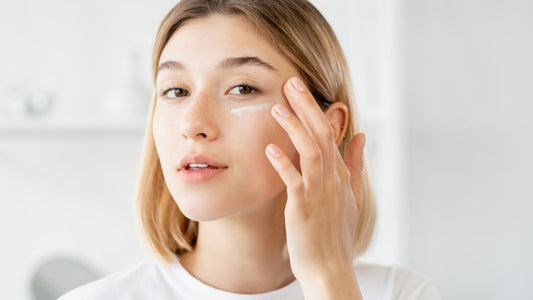
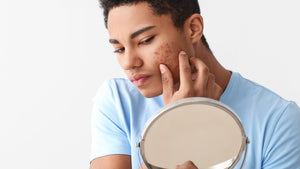
Teenage years can be challenging, especially when it comes to managing skin health. Hormonal changes, improper skincare routines, and lifestyle habits can all impact the condition of your skin. To...
Teenage years can be challenging, especially when it comes to managing skin health. Hormonal changes, improper skincare routines, and lifestyle habits can all impact the condition of your skin. To...

One of the hero ingredients in our latest product, the Vitamin Eye Make Up Remover, are Pea Peptides. Derived from Pisum sativum, commonly known as the garden pea, these peptides are...
One of the hero ingredients in our latest product, the Vitamin Eye Make Up Remover, are Pea Peptides. Derived from Pisum sativum, commonly known as the garden pea, these peptides are...
Our skincare specialists debunk the top myths around Vitamin C, so you can be clued up on the facts. The higher the percentage of Vitamin C the better? A lot...
Our skincare specialists debunk the top myths around Vitamin C, so you can be clued up on the facts. The higher the percentage of Vitamin C the better? A lot...

Hello Spring! With the start of the new season, we believe it is the perfect time to spring clean your skincare routine in time for the warmer months. Follow our...
Hello Spring! With the start of the new season, we believe it is the perfect time to spring clean your skincare routine in time for the warmer months. Follow our...

World Sleep Day, observed annually on the 15th of March, is a reminder of the importance of quality sleep for our overall health and well-being. Do you know the importance...
World Sleep Day, observed annually on the 15th of March, is a reminder of the importance of quality sleep for our overall health and well-being. Do you know the importance...
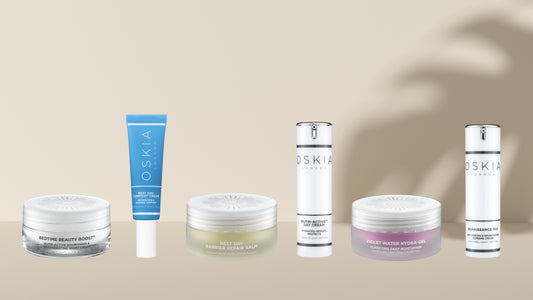
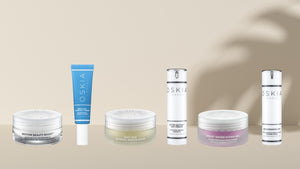
In a market flooded with different products, it can sometimes seem daunting to find the right one to suit your skin and treat its needs. We've created a guide to...
In a market flooded with different products, it can sometimes seem daunting to find the right one to suit your skin and treat its needs. We've created a guide to...
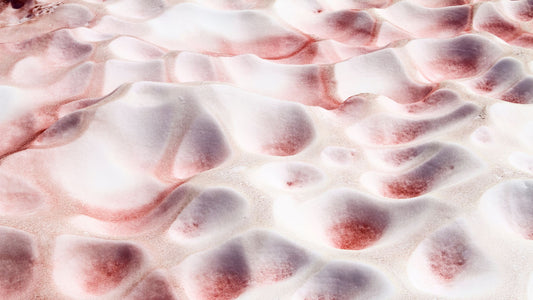
You may have spotted Algae or Seaweed being used on skincare products, but have you ever heard about Snow Algae and its many benefits for the skin? Snow Algae, scientifically...
You may have spotted Algae or Seaweed being used on skincare products, but have you ever heard about Snow Algae and its many benefits for the skin? Snow Algae, scientifically...

Gotu Kola (Centella Asiatica), also known as Tiger Grass, has been a staple in traditional medicine for centuries, particularly in Asian cultures. In recent years, this herbaceous plant has gained...
Gotu Kola (Centella Asiatica), also known as Tiger Grass, has been a staple in traditional medicine for centuries, particularly in Asian cultures. In recent years, this herbaceous plant has gained...
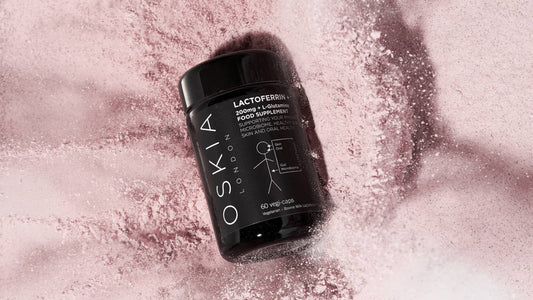
Lactoferrin is a natural, biologically active, iron-binding glycoprotein made of a single polypeptide chain of 691 amino acids. It is a key biological protein found in saliva, tears, white blood...
Lactoferrin is a natural, biologically active, iron-binding glycoprotein made of a single polypeptide chain of 691 amino acids. It is a key biological protein found in saliva, tears, white blood...
From brightening to anti-oxidant protection, here is why we chose Ascorbyl Tetraisopalmitate as our hero Vitamin C, how we keep it stable, and what long-term benefits your skin will see....
From brightening to anti-oxidant protection, here is why we chose Ascorbyl Tetraisopalmitate as our hero Vitamin C, how we keep it stable, and what long-term benefits your skin will see....
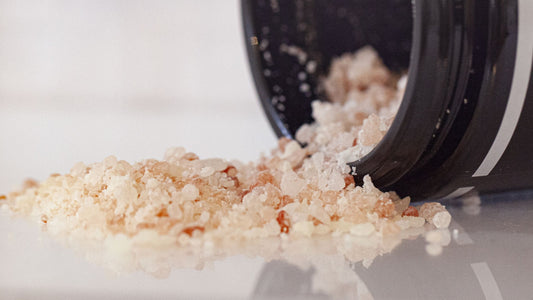
As the cold temperatures settle, there is no better time to indulge in self-care rituals that warm the soul. We're delighted to introduce you to the magic of our Moon...
As the cold temperatures settle, there is no better time to indulge in self-care rituals that warm the soul. We're delighted to introduce you to the magic of our Moon...

Not all oils are made equal - they differ hugely but you can find one that suits your skin type, be it oily or sensitive. It is the chemical content,...
Not all oils are made equal - they differ hugely but you can find one that suits your skin type, be it oily or sensitive. It is the chemical content,...

Lights, Camera, Action! The enchanting world of Wonka is not just about delicious chocolate but also about the radiant glow of its stars. Our OSKIA products were used in the...
Lights, Camera, Action! The enchanting world of Wonka is not just about delicious chocolate but also about the radiant glow of its stars. Our OSKIA products were used in the...
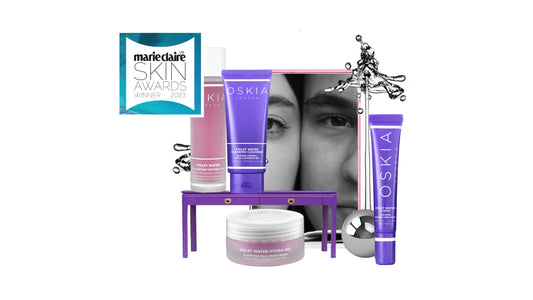
Best Product For Acne-Prone Skin - MARIE CLAIRE AWARDS 2023
Best Product For Acne-Prone Skin - MARIE CLAIRE AWARDS 2023