You drink the water. You use the hyaluronic acid. And yet by mid-afternoon your skin still feels tight, looks a little flat and shows every fine line. Sound familiar?
The missing piece is often not more water, but your skin's ability to hold on to the water it already has. That is where electrolytes come in.
We've long believed that healthy skin starts with the right nutrients, delivered in a form skin recognises. Electrolytes are a perfect example. They are minerals your skin already uses every second of the day to manage moisture, and when levels drop, hydration drops with them. Here's what they do, why they matter, and how to make them work for your skin.
What are electrolytes, and what do they do in skin?
Electrolytes are minerals that carry an electrical charge when dissolved in water. The key ones are sodium, potassium, magnesium, calcium and chloride. In the body they control where water goes, in and out of every cell. Skin is no exception.
The outer layer of your skin, the stratum corneum, contains its own built-in moisture system called Natural Moisturising Factor (NMF). Think of it as skin's internal sponge. Roughly 40% of NMF is amino acids, with PCA (12%), lactate (12%), urea (7%) and minerals (around 18%) making up much of the rest. Those minerals are electrolytes, and they act as the magnets that pull water in and keep it there.
When electrolytes drop, hydration drops. Research on the stratum corneum shows that potassium, sodium, chloride and lactate all fall significantly from summer to winter, and that potassium and lactate levels track closely with how hydrated, supple and balanced skin is. Studies of dry, eczema-prone skin show the same pattern: lower levels of PCA, lactate, sodium and potassium, and lower hydration.
What depletes them? Cold weather and central heating, harsh cleansers, sweating, sun, travel, stress and age all strip NMF from the surface of the skin. The result is the classic dehydrated feeling: tight after cleansing, dull, and quick to show lines.
Why delivery matters. Electrolytes on their own sit on the surface and evaporate quickly. They work best when paired with skin-identical carriers such as amino acids, PCA and lactate, the same partners they are found with in your skin's own NMF. This is the principle of biomimetic skincare: give skin what it already uses, in the form it recognises.
Electrolytes vs hyaluronic acid: which do you need?
The short answer: both, because they do different jobs.
Hyaluronic acid (HA) is a humectant. It binds water and holds it in the skin, which is why it gives that instant plump. But HA is only as good as the water it can reach, and the skin's ability to keep that water from escaping.
Electrolytes regulate the balance of water inside and around skin cells. They help skin retain moisture and support the barrier that stops it evaporating. Put simply, HA is the reservoir; electrolytes help manage the plumbing.
| Hyaluronic acid | Electrolytes | |
|---|---|---|
| What it is | A sugar molecule found naturally in skin | Charged minerals: sodium, potassium, magnesium, calcium |
| Main job | Binds and holds water | Regulates water balance in and around cells |
| What you feel | Instant plumpness | Longer-lasting comfort, less tightness |
| Works best with | Electrolytes and a strong barrier | Skin-identical carriers (amino acids, PCA, lactate) and HA |
That's why we don't think of it as a choice. The most effective hydration routines combine the two, alongside ingredients that help skin make and keep its own HA.
Who benefits most from electrolytes?
Every skin type needs balanced hydration, but electrolytes are especially helpful if your skin is:
- Dehydrated: tight after cleansing, dull, with fine lines that look more obvious by the afternoon.
- Sensitive or reactive: a weakened barrier loses water faster and reacts more easily.
- Mature or menopausal: NMF and natural HA both decline with age.
- Oily but dehydrated: skin can overproduce oil to compensate for a lack of water. Lightweight hydration helps rebalance it without clogging.
- Exposed to the elements: winter cold, central heating, air-con, flights, sun and workouts all deplete minerals.
- Recovering after treatments: peels and facials leave skin needing calm, gentle hydration.
How to add electrolytes to your routine
- Cleanse gently. Harsh, stripping cleansers wash away NMF. Choose a cleanser that leaves skin comfortable, not squeaky.
- Apply to damp skin. A hydrating serum works best on skin that is still slightly damp, so there's water to hold on to.
- Layer serum before moisturiser. Apply your electrolyte serum morning and evening, then seal it in with a moisturiser suited to your skin type.
- Finish with SPF by day. Sun damage weakens the barrier and speeds up water loss.
- Support from within. Drink water and eat mineral-rich foods (leafy greens, nuts, seeds, avocado, bananas). Topical and internal hydration work best together.

Our pick: Isotonic Electrolyte Hydra-Serum
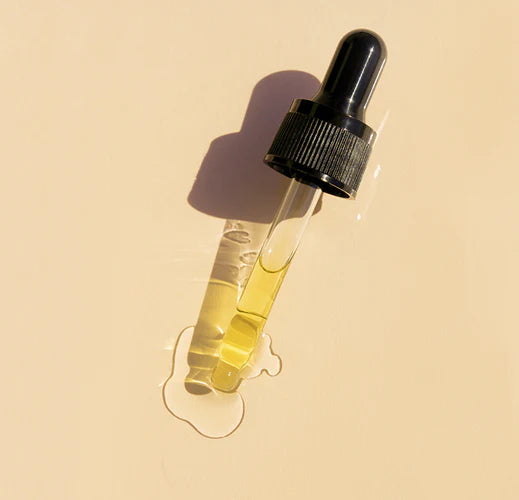
Isotonic Electrolyte Hydra-Serum is our answer to dehydrated skin. It combines mineral-rich electrolytes with the skin-identical carriers they need to work, inside our Biomimetic Hydra-Complex of 16 synergistic actives.
Unlike serums that simply add hyaluronic acid, it helps your skin make and keep its own. The complex works three ways: it supplies the building blocks for HA, helps prevent HA from breaking down, and stimulates its production.
What's inside
- Electrolytes to re-mineralise skin and rebalance its water.
- Amino acids, skin-identical NMF components that carry and hold moisture.
- Hyaluronic acid, polyglutamic acid and encapsulated glacier water for an instant flood of hydration.
- Oat ceramides and pro-vitamin B5 to strengthen the barrier and reduce water loss.
- Niacinamide and probiotics to calm redness and reactivity.
Clinically proven results
- Up to 34% increase in skin hydration after 1 hour*
- Up to 30% increase after 4 weeks*
- 100% said skin was noticeably more hydrated after 4 weeks†
- 100% felt their skin was softer†
- Medium wrinkle size reduced by an average of 12% after 4 weeks

Lightweight, cooling and fast to absorb, it sits beautifully under moisturiser and make-up. Shake well, then apply half a pipette to cleansed skin morning and evening, or whenever skin needs extra comfort. Suitable for all skin types, and ideal after facials and peels. £65 (30ml) or £20 travel size.
*Independent clinical study, 2020, on 40 subjects of mixed ethnicity, skin type and tone. †Participant-reported results from the same study.
Frequently asked questions
Can electrolytes replace hyaluronic acid?
No, and they don't need to. HA binds water; electrolytes help skin regulate and retain it. They are partners, not rivals. The best results come from using them together, ideally in a formula that also helps skin produce its own HA.
Are electrolytes in skincare just a gimmick?
It's a fair question. Electrolytes are a genuine part of skin's own moisturising system, and research links lower levels to drier, less supple skin. The catch is delivery: on their own, minerals tend to sit on the surface. Look for formulas that pair them with skin-identical carriers like amino acids, PCA or lactate, and with clinical hydration data behind them.
What's the difference between dry and dehydrated skin?
Dry skin lacks oil; it's a skin type. Dehydrated skin lacks water; it's a condition any skin type can have, including oily skin. Electrolytes are particularly helpful for dehydration.
Does drinking electrolytes hydrate your skin?
It helps your body overall, and skin receives its minerals through the bloodstream. But skin is the last organ to benefit from what you drink, and its outer layer loses water to the air all day. Topical hydration targets the surface directly. Do both.
What does 'isotonic' mean?
An isotonic solution has the same concentration of dissolved minerals as your body's own fluids. That balance means it hydrates without stressing skin cells, which is why it feels so comfortable, even on sensitive skin.
Which electrolytes should I look for on an ingredients list?
Look for minerals such as magnesium, potassium, calcium, zinc and sodium, often bound to skin-identical partners: sodium PCA, magnesium PCA, sodium lactate, potassium lactate, or gluconates like zinc gluconate.
Is sodium bad for my skin?
Not in a well-formulated product. Sodium is naturally present in skin's NMF. Sodium PCA and sodium lactate are among the most effective skin-identical moisturisers there are.
Can I use an electrolyte serum with vitamin C, retinol or niacinamide?
Yes. Electrolyte serums are gentle and layer well. They can even help offset the dryness some people get from retinoids and acids. Apply your active serum, then your hydrating serum, then moisturiser.
Are electrolytes good for oily or acne-prone skin?
Yes. Oily skin is often dehydrated, and lightweight, water-based hydration helps rebalance it without heaviness. Isotonic Electrolyte Hydra-Serum is suitable for all skin types.
Are electrolytes good for sensitive skin and eczema?
They can be. Studies show eczema-prone skin tends to have lower levels of electrolytes like potassium and sodium in its NMF. A soothing, barrier-supporting formula can help. If you have active eczema, check with your GP or dermatologist first.
Should I use an electrolyte serum or moisturiser?
Ideally both steps, in that order. A serum delivers concentrated actives into the skin; a moisturiser seals them in.
How quickly will I see results?
Most people feel the difference straight away, with skin softer and plumper. In clinical testing, Isotonic Electrolyte Hydra-Serum increased hydration by up to 34% after one hour, with continued improvement over four weeks.
References: Nakagawa N et al. (2004), Relationship between NMF (lactate and potassium) content and the physical properties of the stratum corneum; Nakagawa N et al. (2012), Decreased lactate and potassium levels in NMF of mild atopic dermatitis.